Discount Vitamins & Herbs

   
- Products by Category
- Alphabetic Product Listing

Home Go Shopping Specials Product Info Health News FAQs About Us Links Site Map

Hyaluronic Acid Center, Neptune Krill Oil & Rejuvenation Science for Doctors

HACKER SAFE certified sites prevent over 99.9% of hacker crime.

Health Guide
Men's Health
Women's Health
Senior's Health
Antioxidants
Sports Nutrition
Diet & Weight Loss

Vitamins & Minerals
Herbs
Specialty
Supplements

Targeted
Supplements

Spa Products
Anti-Aging Basics
Body Systems
Body Structure
Book Store
Pet Health

My Recommendation
My Favorite Articles
Our Most Popular
Specials
Bargain Basement
Brands


In-depth Info

MSM


Health News Archive 678 - Bone Mineral Density
<<back to structure/function index


Osteoporosis Drugs Don't Work Without Hi-Dose Calcium and Vitamin D-3

Here is a press release telling the public that drugs are the answer to osteoporosis.  And a new drug is just around the corner.  The article does mention that taking daily calcium and vitamin D-3 supplements is required with the drugs.  However, if you read carefully, you will see that they never say how much greater increase in bone mineral density is produced by taking these costly drugs (with major side effects) over just taking calcium and vitamin D-3. 

Protecting your bones as you get older should be a top priority. Osteoporosis, the most common bone disease, afflicts more than 8 million Americans, the majority of whom are postmenopausal women, according to the National Osteoporosis Foundation. Unfortunately, preventive measures—eating a healthful diet, getting regular exercise, and taking calcium supplements—don’t always work.

The good news is, several medications that slow or prevent bone loss are currently available, and a new one is in the pipeline—zoledronic acid (Reclast), a once-yearly injection that may provide an alternative to orally administered drugs, according to Weill Cornell Medical College's Women's Health Advisor.

“When zoledronic acid was developed as an intravenous medication, it was not an attractive agent for use in the osteoporosis arena,” says Richard Bockman, MD, chief of endocrinology at the Hospital for Special Surgery at NewYork-Presbyterian Hospital and professor of medicine at Weill Cornell Medical College. “However, when it was discovered that many people are intolerant of oral bisphosphonates, the intravenous medication found a niche.”

Encouraging results

Zoledronic acid is currently being reviewed by the U.S. Food and Drug Administration. In the meantime, the results of a clinical trial published in the May 3, 2007 issue of the New England Journal of Medicine showed that the drug significantly reduced the incidence of vertebral and hip fractures in postmenopausal women. The study included 7,765 osteoporotic women, ages 65 to 89, who were randomly divided into two groups and given either intravenous infusions of 5 milligrams of zoledronic acid or placebo once a year for 3 years. The women who received zoledronic acid had a 70 percent reduction in vertebral fractures and a 41 percent reduction in hip fractures. The zoledronic acid group also experienced increased bone mineral density at the total hip, lumbar spine, and femoral neck (an upper section of the thigh bone).

“The results of this study are quite striking. Hopefully, the FDA will approve this agent for treatment of osteoporosis. It has already been approved for treatment of Paget’s disease of bone,” says Dr. Bockman. Paget’s disease is a chronic bone disorder unrelated to osteoporosis that causes bones to expand and weaken due to irregular breakdown and formation of bone tissue.

An infrequent but significant side effect associated with zoledronic acid in the clinical trial was an increased incidence of atrial fibrillation, an irregular heart rhythm. Mild to moderate side effects included chills, nausea, bone pain, and back pain, but these generally resolved within three days of receiving the drug. There were no differences in mortality between the treated and untreated groups.

Drawbacks of oral meds

Most oral osteoporosis medications fall under the general classification of bisphosphonates and include well-known brands like Fosamax, Boniva and Actonel. Side effects of using bisphosphonates include inflammation of the esophagus, esophageal erosion, and difficulty swallowing. Many people cannot tolerate these side effects. In addition, some patients now using oral meds find the dosage requirements inconvenient. These medications must be taken on an empty stomach first thing in the morning and require staying in an upright position, with no food, for the next 30–60 minutes. These medications are taken only once a week or once a month, and women often report that they forget to take their medications. Bottom line: Many stop taking these medications and thus receive no bone benefit.

How bisphosphonates work

Bones are not stagnant; they undergo a constant process of breakdown, or resorption, and buildup. “We resorb and build 10 percent of our skeleton every year,” says Naina Sinha, MD, an endocrinologist at NewYork-Presbyterian Hospital and assistant professor of medicine at Weill Cornell. Two types of cells are responsible for bone changes: osteoclasts, which break down bone, and osteoblasts, which form new bone. “Bisphosphonates basically paralyze the osteoclasts, preventing resorption of bone,” says Dr. Sinha. However, they don’t increase the rate at which osteoblasts generate new bone.

How does zoledronic acid continue to work for a year or longer? “Think about it as a coating for your bones,” explains Dr. Bockman. “Basically, this compound probably has a longer residence time on bone, so when osteoclasts come to try to chew up or resorb bone, the agent is still there and still effective.”

Once-yearly intravenous injections are likely to appeal to those who find the side effects intolerable or the dosage regimen bothersome. And for some, zoledronic acid may be a better option than oral bisphosphonates. “Good candidates for treatment include people who have a history of gastroesophageal reflux disease (GERD) or esophageal irritation, celiac disease, Crohn’s disease, or had bariatric surgery for weight loss,” says Dr. Sinha.

Other treatments

One osteoporosis medication, parathyroid hormone (PTH, brand name Forteo), works differently than bisphosphonates. “This class of medication stimulates osteoblasts, so it actually can build bone,” says Dr. Sinha.

PTH is administered by a daily injection. It is approved for women at high risk for fracture. Side effects include leg cramps and dizziness. But PTH is not appropriate for people with Paget’s disease, prior radiation therapy of the skeleton, bone cancer, or hypercalcemia.

Several hormone therapies may also be considered. However, hormone-based treatments have fallen out of favor due to study results that found increased risks of heart attack, stroke, breast cancer, and blood clots after 5 years of treatment with Prempro, an estrogen and progesterone-based medication.

Raloxifene (Evista) is a selective estrogen receptor modulator that is FDA-approved for the prevention and treatment of osteoporosis, but it increases the risk of deep vein thrombosis (clotting) and may increase hot flashes.

Nutrients and exercise also needed

Before you begin taking a bisphosphonate, it’s important to make sure your body has enough calcium and vitamin D for the drug to work effectively. “If you start bisphosphonates with vitamin D deficiency, you have a higher risk of hypocalcemia, or low calcium levels in the blood,” says Dr. Sinha.

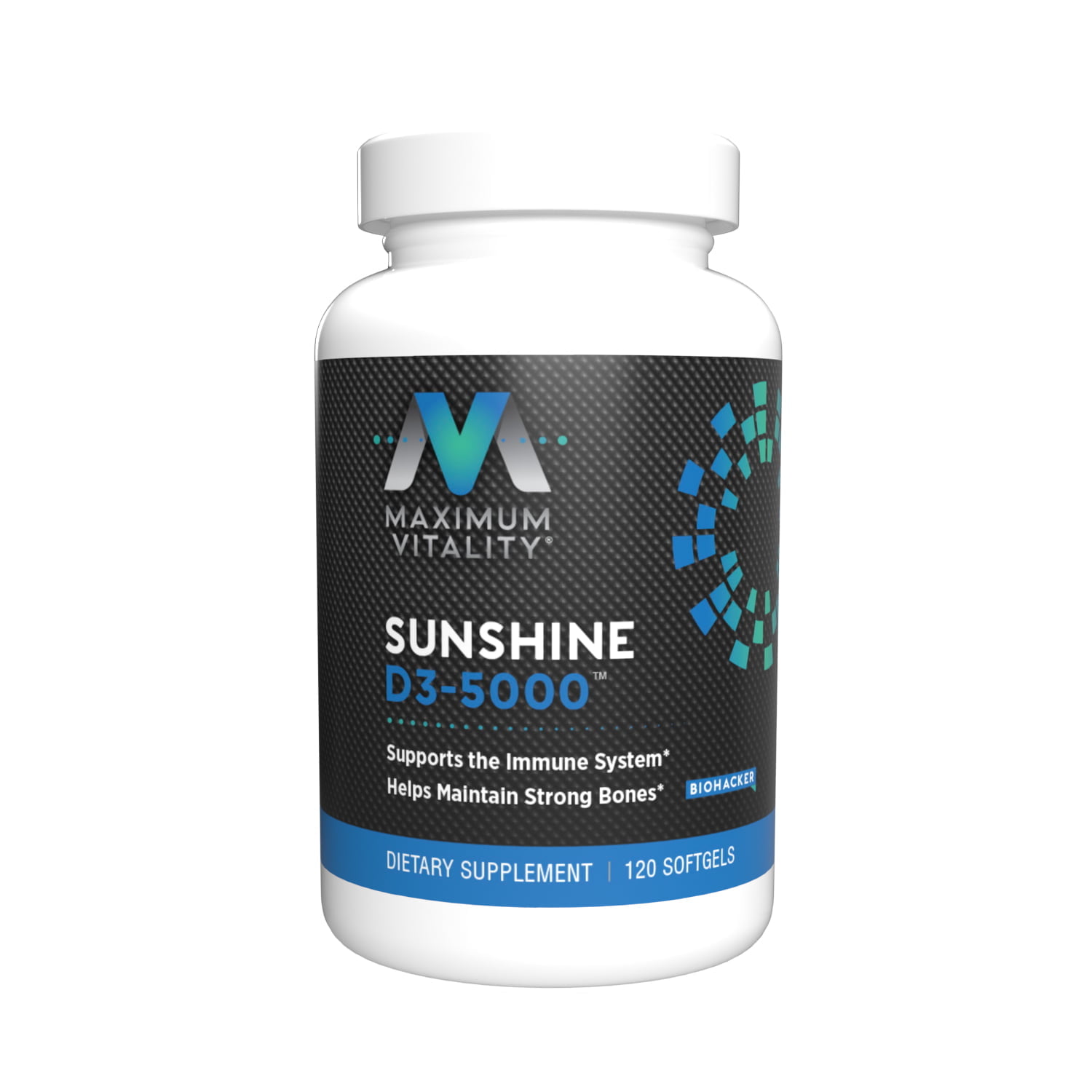
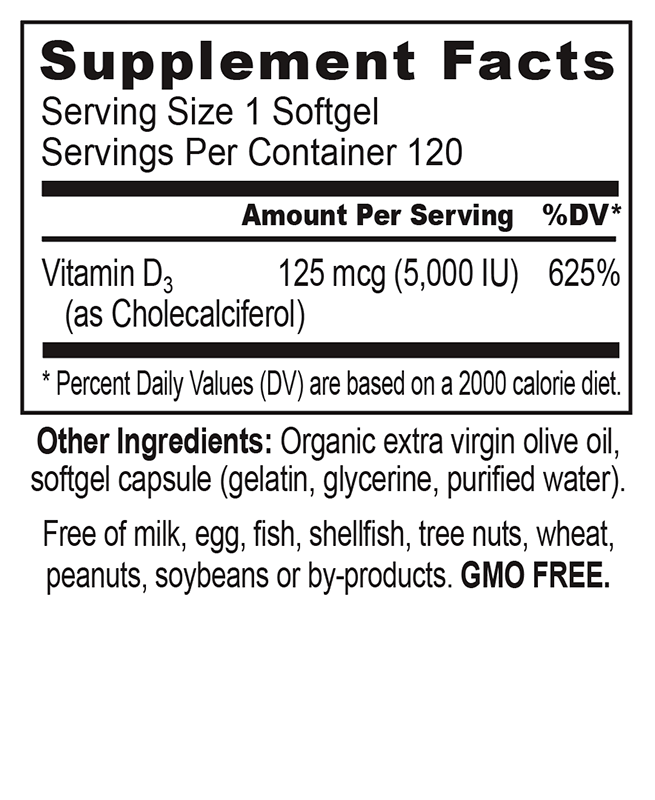
Postmenopausal women should take 1,200 International units (IU) of vitamin D3 a day, which is more readily absorbed by the body than vitamin D2. “Studies have shown that vitamin D3 in and of itself can help with fracture prevention,” says Dr. Sinha.

The recommendation for calcium is 1,200-1,500 milligrams (mg) per day. Dairy foods, such as yogurt, cheese, and milk, are excellent calcium sources. Or supplement with calcium citrate—it has a better absorption rate than calcium carbonate and doesn’t need to be taken with food. Dr. Sinha advises taking no more than 600 mg of calcium at a time, because this is all your body can absorb.

“Bone also responds well to stress, and therefore, exercise is essential,” adds Dr. Bockman. Weight-bearing and resistance exercises should be done regularly to build and maintain bone mass and density.

To determine which osteoporosis treatment is right for you, discuss all of the options with your doctor. “Patients differ enormously, and you have to tailor the treatment to the individual,” says Dr. Bockman.

Source: Press Release August 2, 2007 Belvoir Media Group, LLC.

See also:

back to top

Featured Products
 
  Calcium & Magnesium with vitamin D
MSRP:
$10.75
Our price:
$
7.00
 
  Calcium Citrate with vitamin D
MSRP:
$22.95
Our price:
$
14.00

Benfotiamine - Calcium - Coral Calcium - Ester-C - Folic Acid - Silicon - Strontium - Vitamin A - Vitamin B6 - Vitamin B12 - Vitamin C - Vitamin D - Vitamin E - Vitamin K

5-HTP - 7-Keto DHEA - Acai - Acetyl L-Carnitine  - Ageless Face, Ageless Mind - AHCC - Albizzia - Alpha-Lipoic Acid and R-Lipoic Acid - Aronia from Chokeberry - Astaxanthin - Avemar - Bacopa - Beta Glucan - Bilberry - Bioperine - Butterbur - Cetyl Myristoleate (CMO) - Chlorella: Sun, Yaeyama - Cinnamon - CLA - Coconut Oil - CoEnzymeQ10 - Curcumin from Turmeric - DHA Neuromins - Digestive Enzymes - Echinacea - Epicor -FenugreekFrench Maritime Pine Tree Bark - Garlic - Ginkgo Biloba -Glucosamine & Chondroitin - Goji Berry - Goldenseal - Grape Seed Extract - Green Tea - Guggulow - Hoodia - Horse Chestnut - Human Growth Hormone (HGH) - Hyaluronic Acid - Hydrogen (H-): The Fuel of Life - IP-6 - Krill Oil - Kudzu - L-Arginine - L-CarnitineL-Carnosine - L-Methylfolate - L-Tyrosine - Lutein - Lycopene - Mangosteen - Milk Thistle - Modified Citrus Pectin (MCP) - MSM - Mushrooms - N-Acetyl Cysteine (NAC) - Nattokinase - Neptune Krill Oil - Oil of Oregano - Oligonol - Omega-3 - DHA, EPA - Pepsin GI - Phosphatidyl Serine (PS) - Pinolenic Acid - Policosanol - Pomegranate - Prevagen - Probiotics - Probiotic Bacillus Coagulans - Psyllium Fiber - PycnogenolQuercetin - Red Yeast Rice - ReloraResveratrol - Rhodiola Rosea - Ribose - SAM-e - Saw Palmetto - Shower Water Filter - St. John's Wort - Stevia - Sytrinol - Thymic Protein AUbiquinol - Valerian - Vinpocetine

Age-Related Macular Degeneration - Air Pollution - Albizzia Helps Reduce Anxiety and Stress - Alzheimer Studies - Anxiety & Stress - Attentive Child - ADD, ADHD - Calorie Restriction Diet - Candida - Colon Cancer, Colitis, IBD - COX-2, Ibuprofen Side Effects, and Pain Management - Energy - Enzymes Support Digestion - Erectile Dysfunction - Gray Hair and Balding - Hair Growth and Male Pattern Baldness - Hearing - Homocysteine - Inflammation and Weight Loss - Immune - Life Force Multiple - Liver - Menopause - Men's Fertility - Mercury Cleansing - Milk Thistle and Liver Disease - Minor Pain and Inflammation - Omega-3 - Ultra Purity CO2 vs. Molecular Distillation - ORAC - Osteoporosis - Pain Relief - Parkinson's Disease CoenzymeQ10? - The Perricone Weight-Loss Diet - Relora Cortisol and Stress-Induced Eating - Senior's Health - Side Effects of Lipitor®, Zocor® and Statin Drugs  - The Sinatra Solution: for Heart Disease - Sinus and Allergy - St. John's Wort - Prozac® - Syndrome X - Tinnitus - Transitions for Menopause - Varicose Veins and Spider Veins  - The Wrinkle Cure for Youthful Skin

Home | Specials | Product Info | Old Health News | FAQs | About us | Blog | Links | Links2 | Links3 | Sitemap | Contact us
Alphabetic Product Listing | Products by Category | Links4 | Links5
TOLL FREE: 800-401-9186

View Cart


Terms of Use | Privacy Policy | Terms and Conditions of Sale | Disclaimer

Copyright © 2001-2008, Discount Herbs & Vitamins, Inc. All rights reserved.

These statements have not been evaluated by the Food and Drug Administration.
These products are not intended to diagnose, treat, cure, or prevent any disease.
Please consult a qualified medical practitioner for medical advice.