Why is it so difficult to lose weight?
There are so many diets, some work for some people, others don’t work. This discussion will tell you why you can try so hard to diet, yet not lose much or any weight. And it will provide insights and alternatives that most diet experts are unaware of.
We also explain why some people can eat tons of food and not gain any weight. We consider them the lucky ones, but perhaps there is a scientific explanation for their luck, and it is discussed below. And you can create that luck for yourself.
MICROBIOME
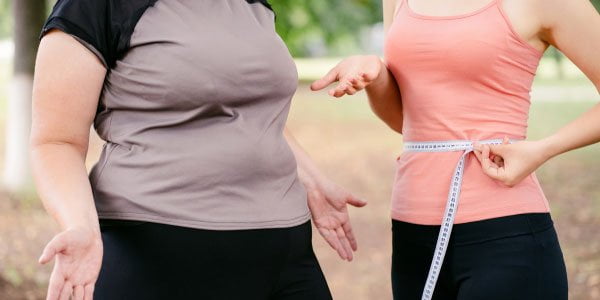
Gut bacteria have more effect on how much you weigh than what you eat and the amount you eat according to a large study published in the medical journal Nature: Scientific Reports in July 2019. This study describes how a United Kingdom research team studied visceral fat, the unhealthy fat that surrounds your organs and accumulates in your belly and hips. They studied 1,760 older female twins and found that the types of bacteria you have in your gut predict how much visceral belly fat you carry, regardless of calorie intake.1
Yes, this study is valid for you even if you don’t have a twin sister.
A different 2019 research study from Baylor College of Medicine in Houston, TX reports that the bacterial organisms which naturally inhabit your body signal your body to crave food or to be satiated (full). This affects weight gain, systemic inflammation and disease risk.2,3
Now that you know that your microbiome impacts your ability to lose weight, you can control your gastrointestinal microbiome in several ways.
Don’t provide it with an abundance of sugars and starches which feed bacteria which promote weight gain.
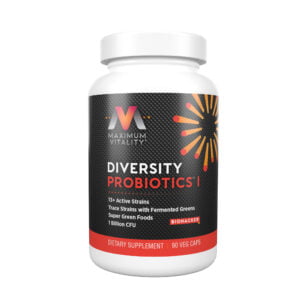
Supplement with beneficial bacteria (probiotics) and prebiotics (“indigestible” fiber which is food for good bacteria) to maintain a healthy balance of beneficial bacteria.
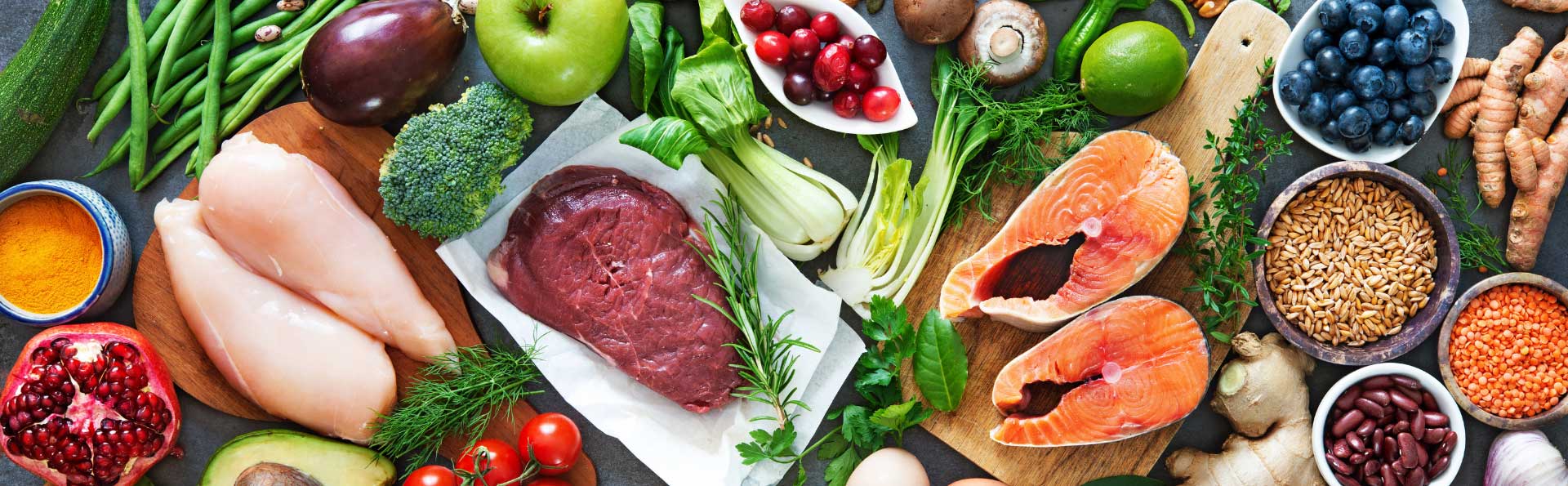
Eat a diet where diversity is the ultimate goal, containing proteins, healthy fats, nuts, seeds, vegetables and fruit (especially raw), vitamins, minerals, and trace micronutrients to support microbiome diversity in your GI tract.
A naturally healthy and varied microbiome is often the reason some people can eat whatever they want and they don’t gain weight. Now you can look at someone’s physique and have insight into what their gastrointestinal tract looks like. Hmmm.
SPECIFIC NUTRIENTS
In the U.K. female twins study mentioned above, researchers identified a few nutrients that promote weight loss in conjunction with a healthy microbiome. They are Magnesium, Fiber, Biotin, Vitamin E, as well as a variety of polyphenols, and antioxidant nutrients in deeply colored vegetables.1 These may all be found in Maximum Vitality® multi.
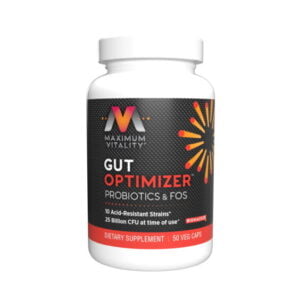
In particular, L. casei, at a dose of 100 million CFU per day, had a significant effect reducing blood sugar, insulin concentration, and insulin resistance in the supplemented group, compared with the placebo group.4 This is one of the 10 strains in Gut Optimizer™ – Probiotics, but at a higher dose.
FOOD CRAVINGS
If your body is lacking any micronutrients, your body will crave food. However, you don’t know which nutrients you are lacking or craving, so a typical person will eat the food they normally eat. Obviously, this is food that does NOT satisfy your body’s specific micronutrient craving, otherwise you would never have had this craving.
Another cause of food cravings is engineered food, also known as processed and fast food. There are actually food scientists who are paid to design packaged food to cause you to crave more. It’s good for the company bottom line, but not yours.
ENVIRONMENTAL CONTAMINANTS
What does your body do when it is overwhelmed with environmental contaminants, such as pesticides, herbicides, BPA, chlorine from urban water, particulates near highways and factories, molds, pollen, gluten for some people? First it tries to rid the body of these contaminants, then it encapsulates them in fat and stores them in a “safe” place – visceral fat in your belly.
INFLAMMATION
Is responsible for aging, many age-related illnesses and is related to how we store and metabolize fat in the body. Fast foods tend to be more inflammatory than fresh foods.
PRESCRIPTION DRUGS
Unfortunately, the side effects of so many prescription drugs is weight gain. It’s hard to fight these side effects. For any new prescription, ask your doctor if weight gain is a potential side effect and ask for alternatives that don’t have this side effect. Note, there are new studies which inform us that your microbiome affects the way prescription drugs are metabolized by the body. Ask you doctor if he or she is aware of any microbiome management you can do to maximize primary effects or minimize side effects of their prescription recommendation. They will likely just look at you funny.
METABOLISM
Are your mitochondria in good shape in order to burn calories to produce energy? So many factors can affect the mitochondria – micro-contaminants, diet deficient in CoQ10, PQQ for production of new mitochondria (biogenesis). Read more about your mitochondria here.
STRESS
There tend to be two reactions to stress that effect weight. Some people eat when under stress and some people lose their appetite. If you are in the first category, Equilibrium!™ CBD Hemp Tincture is helpful in reducing minor occasional stress and anxiety.
GLUCOSE LEVELS
One common issue relating to weight gain is elevated glucose levels. Read and watch a video on GlucoOptimizer™ here.
CALORIES IN GREATER THAN CALORIES OUT
The basics still hold true. If you eat too much, you tend to gain weight. But there are so many factors that influence the mind, body, and metabolism, that just reducing your calorie intake or exercising more may not benefit many people. Some people don’t put on weight no matter how much they eat. It’s likely due to their healthy microbiome.
HIDDEN CALORIES
A salad sounds like the perfect way to lose weight. But use packaged, processed dressing (with vegetable oil and/or sugar), processed mayonnaise, or toppings (fried croutons, artificial bacon crumbles, farmed salmon, fried wontons, fried chicken) on it and it can pack a bigger weight gain punch than ice cream and French fries.
FAST AND PACKAGED FOOD
Often have a higher concentration of micro-contaminants, and often include hydrogenated oils to maintain crispness, lots of forms of hidden sugars, stabilizers for long shelf life, artificial coloring agents, plus in many cases, are engineered to make you crave more.
I thought they knew better – I tried a new frozen packaged entree at TJs. One of the ingredients was Natamycin (mold inhibitor) – an antibiotic. What a disappointment. Antibiotics are often used as a mold inhibitor in packaged shredded cheese. The simple solution is to shred the cheese yourself.
KNOWLEDGE
All packaged yogurts are made from homogenized milk (hence all the bacteria (probiotics) are destroyed), then one or maybe two low dose, low cost strains are added back in. But there is often lots of added sugar. I once heard a well-known holistic doctor say he likes a particular brand of yogurt because it is totally processed, so it meets his pharmaceutical indoctrination that pure is better, and he knows there are no natural elements remaining in it that can hurt you. Balance your intake of omega-6 and omega-3 fatty acids with fish and krill oil to maintain a healthy inflammatory response.5
PROTECT YOUR MICROBIOME
Protect your microbiome by drinking non-chlorinated or filtered water, avoiding food raised with antibiotics, minimizing alcohol intake, avoiding anti-bacterial cleaning products, minimizing prescription drug use, and minimizing intake of herbicides such as roundup used in farming to kill weeds which accumulate in foods, especially non-organic and GMO foods. Read more in our Gut Health section.
Our Recommendations for Weight Loss
MICROBIOME MANAGEMENT: with multiple strain, high dose probiotics and prebiotics (FOS – fiber) including L Casei. You can find this in Maximum Vitality Gut Optimizer™ – Probiotics. Gut Optimizer™ – Colostrum is the key to effective population of beneficial probiotics in the GI tract.
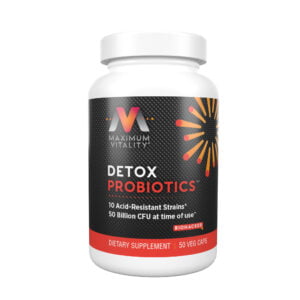
MICRO-CONTAMINANT DETOX: Done with a product designed for cellular detox is much more effective than a standard colon cleanse.
MICRONUTRIENT and ANTI-INFLAMMATORY SUPPORT: A sophisticated multivitamin will provide microbiome synergistic Magnesium, Biotin, and all 8 forms of Vitamin E, as well as a variety of polyphenols, the antioxidant nutrients in deeply colored vegetables. In addition, convenient Traveler™ or Road Warrior™ Daily Packs provide a vast array of fruits and greens in Superfoods Immune Energizer, and lipid therapy to reduce inflammation by balancing omega-6 intake, and microbiome support from yet more probiotics.
DIET: Minimize sugar, carb and vegetable oil intake, as well as packaged and prepared foods. Optimize variety in your diet, especially raw vegetables, which provide prebiotic nourishment for your microbiome, and a variety of proteins and micronutrients.
EXERCISE: For me, playing a sport is so much more fun than just “exercising”. Or do it with a friend.
PATIENCE AND PERSISTANCE: It will take work, dedication, and time for long term weight loss. As you change your microbiome, and thus your food cravings, and begin to enjoy physical activity again, you will gain a more permanent lifestyle solution to better weight management.
Specific Supplements for Weight Loss
Sophisticated Antioxidant Multivitamin
Researchers at the Methodist DeBakey Heart Center in Houston identified a molecular link between obesity and inflammation. This research shows that a high fat diet promotes inflammation which contributes to weight gain.2
Inflammation is responsible for aging, and is related to how we store and metabolize fat in the body. Our cells use oxygen to produce energy and they generate free radicals as a byproduct of this metabolic function. Antioxidants scoop up free radicals, preventing the cellular degeneration within the body that causes further damage.
Maximum Vitality™ is a robust multivitamin, with antioxidant properties from vitamins A, C, all eight forms of vitamin E, plus alpha- and R-lipoic acid, Lycopene, Lutein, Astaxanthin, Green Tea, milk thistle, hawthorn berry, curcumin, and proanthocyanidins from grape seed.
Not only is Maximum Vitality high in a variety of antioxidants, but it contains a total of 67 different micronutrients which help satiate the appetite for micronutrients that may be missing in the standard American diet, or even the most high quality diet, that generally lacks in some micronutrients. Please see further discussion in the Foundational Health Section.
Omega-3
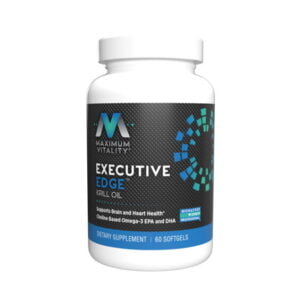
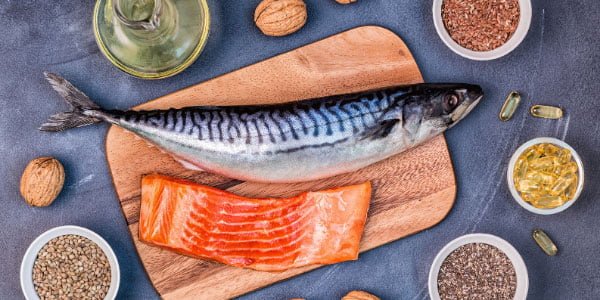
Omega-3 polyunsaturated fatty acids (PUFAs) from fish and krill oil have anti-inflammatory characteristics that promote weight loss. Omega-3’s accelerate body fat loss, elevate mood, stabilize blood sugar levels, lower insulin levels, and decrease appetite.6,7 The recommended dosage varies depending upon how much weight loss is desired. The recommended range is 3 to 9 fish oil softgels or 1-2 krill oil softgels per day.
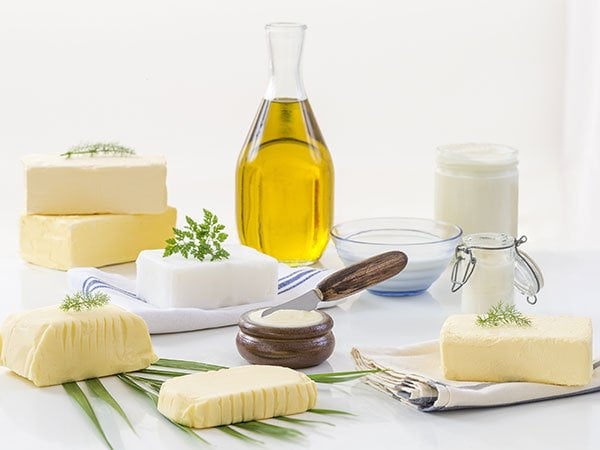
Omega-6 fatty acids from vegetable oil are pro-inflammatory and promote weight gain.
The ideal balance of Omega 6 to Omega-3 is a ratio of 2:1 or 1:1. The standard American diet now contains a highly inflammatory ratio of 24:1 Omega-6 to Omega-3. Pro-inflammatory Omega-6 oils are found in margarine, vegetable oil (corn, safflower, canola, etc.), salad dressing, fried, and prepared foods, and even farm-raised (corn meal-fed) fish. Almost every fried food or snack food is cooked in omega-6 oils, because they are both less expensive and have a longer shelf-life.
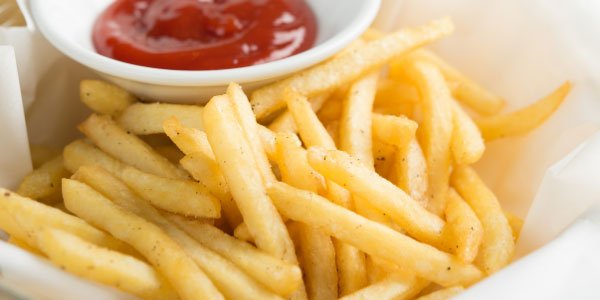
- 20 French fries or large potato chips have about 12 grams of omega-6 oils. So for each 2 french fries you eat, you should balance the omega-6 oils with 1 omega-3 softgel. It is easy to see that eating French fries is a no-win situation, well, unless they’re really good.
- Each Oreo cookie has 3 grams of omega-6 fats. To balance this intake, a person should eat 1-2 omega-3 softgels for each Oreo cookie eaten. One Mrs. Fields Chocolate and Walnut cookie has 17 grams of omega-6 fat. Instead of a glass of pasteurized milk with your cookie, you might as well have a full shot of fish oil. Yum!
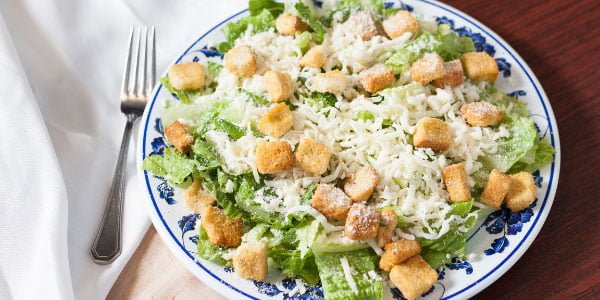
- A 2-tablespoon serving of bottled Caesar salad dressing contains 15 grams of fat, mostly from soybean oil. Be careful of serving size because it is so easy to use far more than 2 tablespoons of dressing on a salad, and balance this small amount of salad dressing with at least 7 grams of omega-3’s to minimize the omega-6 inflammatory cascade. Note that good fresh Caesar dressing is made with virgin olive oil and will not provoke this omega-6 inflammatory cascade.
Mitochondrial Energy Support
Weight loss is a function of cellular energy production, among other factors. Many diet products contain stimulants which unnaturally stimulate thermogenesis – the production of energy and heat. These may work in the short-term, but leave you feeling tired and depleted when they wear off.
E=MC2 Endurance Formula™ provide the nutrients and co-factors which naturally help your body optimize its cellular energy production. Not only do these nutrients provide greater energy and endurance, and a greater ability to lose body fat, they help prevent the energy decline seen in aging cells.
Coenzyme Q10 in E=MC2 Endurance Formula and Energy Spark™ helps increase energy levels and overall sense of vitality. CoQ10 is a powerful antioxidant and anti-inflammatory. CoQ10 assists in mitochondrial energy production. Working synergistically with the other recommendations, CoQ10 enhances the metabolism, providing greater energy and endurance, and a greater ability to lose body fat, while preventing the energy decline seen in aging cells. CoQ10 also works synergistically with other antioxidants to recycle antioxidants – vitamins C, E, and glutathione – and help regulate blood sugar and enhance insulin sensitivity.
References
- LeRoy C, Bowyer R, et.al. Dissecting the role of the gut microbiota and diet on visceral fat mass accumulation. Nature: Scienfitic reports, July 2019.
- Press release: Link Between Obesity and Inflammation, Methodist DeBakey Heart Center, Houston TX. November 2006.
- Liu Y, Ajami NJ, et.al. Dietary quality and the colonic mucosa-associated gut microbiome in humans. Am J Clin Nutr. 2019 Sep 1;110(3):701-712. doi: 10.1093/ajcn/nqz139.
- Khalili L, Alipour B, et.al. The Effects of Lactobacillus casei on Glycemic Response, Serum Sirtuin1 and Fetuin-A Levels in Patients with Type 2 Diabetes Mellitus: A Randomized Controlled Trial. Iranian Biomed J. 23(1):68-77 Jan 2019.
- Browning LM. N-3 polyunsaturated fatty acids, inflammation and obesity-related disease. Proc Nutr Soc. 2003 May;62(2):447-53.
- Ruzickova J, Rossmeisl M, et.al.: Omega-3 PUFA of marine origin limit diet-induced obesity in mice by reducing cellularity of adipose tissue. Lipids 2004, 39:1177-1185.
- Browning LM. N-3 polyunsaturated fatty acids, inflammation and obesity-related disease. Proc Nutr Soc. 2003 May;62(2):447-53.